New board joints
Joint finishing brings tape and joint compound together; applying the compound is often called mudding. Confirm the board condition, area and who checks the substrate before finishing begins.
Langley, British Columbia · Project planning
Plan Langley taping, mudding and sanding around installed-board condition, intended decoration, room lighting and a defined trade handover.
Tell us about your project Explore the scopeProject information and enquiries · Contractor scope, coverage and availability must be confirmed separately
01 / Understand the scope
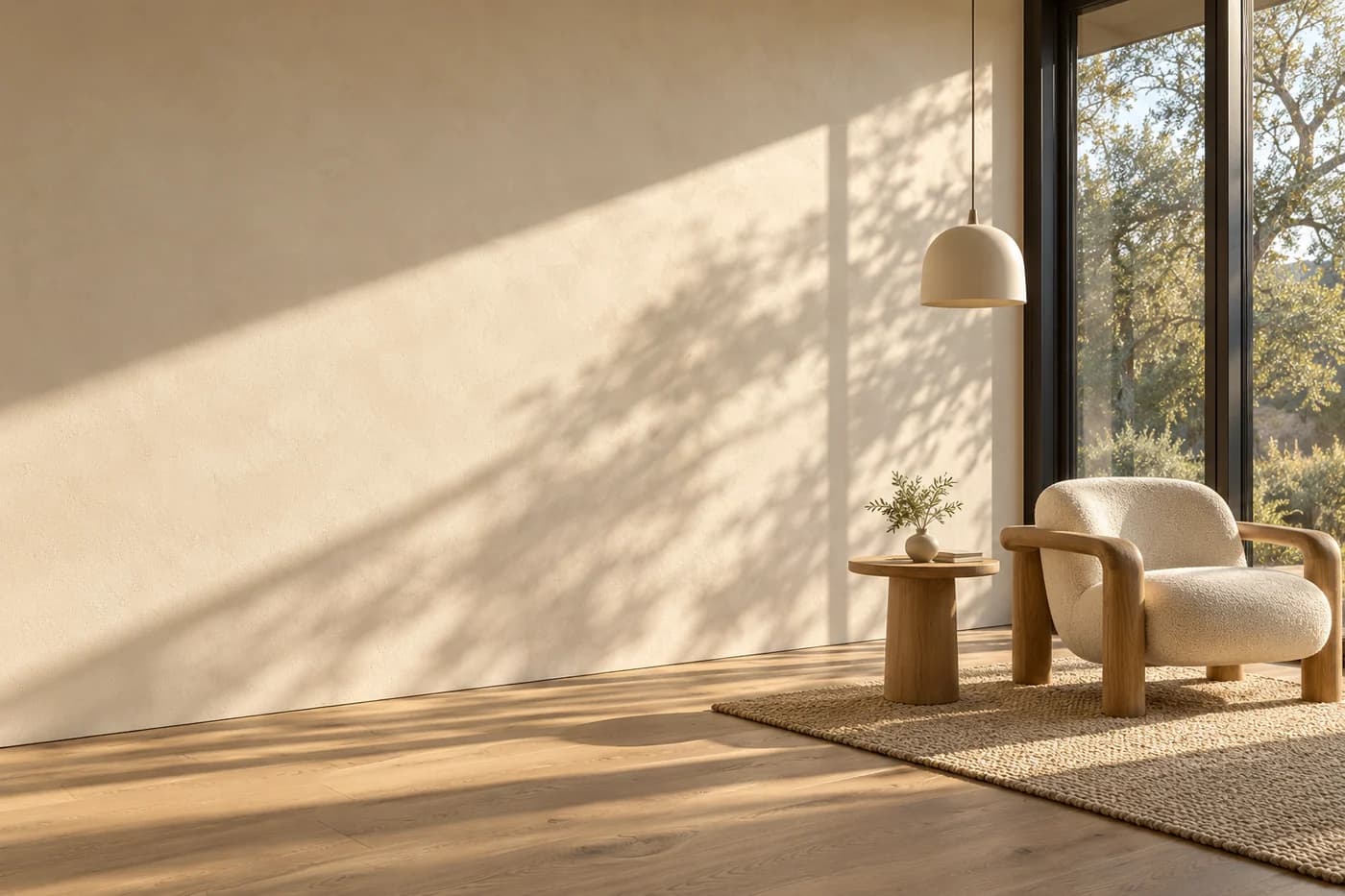
The same surface can read differently under a window, a wall light or the final paint. A useful scope connects the board condition, intended decoration and agreed handover instead of relying on the word ‘finished’.
Joint finishing brings tape and joint compound together; applying the compound is often called mudding. Confirm the board condition, area and who checks the substrate before finishing begins.
Discuss the intended decoration and light conditions. Agree a finish expectation before work, together with what the next trade will receive.
Skim coating, ceiling textures, Level 5 and specialist assemblies are not assumed offerings. They need explicit contractor confirmation and a suitable project specification.
Use these prompts to agree inclusions. They describe decisions to make, rather than a promise that every item is offered.
Agree in the estimateThe areas to treat, starting condition and joint-finishing scope.
Clarify separatelyBoard installation corrections or unspecified substrate repairs.
Agree in the estimateThe finish specification, planned decoration and relevant light conditions.
Clarify separatelySkim coating, Level 5 or specialist textures without explicit confirmation.
Agree in the estimateWork-area access, room protection, sanding and cleanup responsibilities.
Clarify separatelyOccupied-space arrangements or specialist controls unless assessed and agreed.
Agree in the estimateWho checks the surface and where the next trade takes over.
Clarify separatelyPrimer, paint, wall covering or later decorating unless included.
02 / The work sequence
This is a planning sequence, not an application specification. The contractor must confirm the system, preparation and finish requirements for the actual surface.
The project processIdentify whether the board is newly installed, partly finished or an existing surface. Note joints, corners, openings and work by another installer.
Decision to recordAgree who assesses and accepts the starting condition.
Discuss the planned paint or wall covering and the light that will fall across the surface. Record any finish specification and clarify unfamiliar terms before work.
Decision to recordName the expected outcome and its agreed limits.
Ask which joints, fastener areas, edges and corners are included. Agree the preparation, sanding, protection and any areas needing separate treatment.
Decision to recordRecord the work areas and system responsibilities.
Define the condition expected before decoration and who reviews it. Clarify primer, paint, surface checks and the process for resolving concerns at handover.
Decision to recordPut the decoration boundary and review process in writing.
03 / A useful starting brief
You do not need every answer before starting a conversation. Describe what you know and make the unknowns clear.
Say whether the board is new, previously treated or already decorated. Describe any incomplete or damaged areas.
Share the intended paint or wall covering if chosen. Mark it as undecided if the final selection is still open.
Mention large windows, wall lights and other light falling across the surface. This helps frame expectations.
Identify who is responsible for primer and painting, and when the surface will be reviewed before the next stage.
04 / The estimate conversation
‘Ready for paint’ needs a shared meaning. Compare the starting condition, treatment area, finish expectation and decoration boundary before comparing totals.
No contractor rates or minimum-job policy are advertised. Confirm the actual provider and written scope before comparing prices.
Describe your projectDescribe newly installed board separately from existing, painted or partly treated surfaces.
Identify corners, edges, openings and any areas that may need a different agreed treatment.
Record the intended surface outcome. A rendered room cannot establish an offered finish level.
Explain the final decoration and the light conditions the finished surface will be viewed under.
State access, protection and cleanup responsibilities, plus who reviews the handover before decoration.
05 / Useful to know
General planning guidance. The actual condition, inclusions and finish expectations need to be agreed for your project.
The meaning of finished needs to be written into the scope. Ask about joint treatment, sanding, surface checks, primer and the boundary with painting or decoration.
The planned paint or wall covering, light direction, existing substrate and agreed finish specification all help frame the conversation.
No. Taping and joint-compound work, sometimes called mudding, form part of a joint-finishing conversation. Primer and paint are separate stages unless the written estimate includes them.
Describe who installed the boards and their current condition. Ask who reviews the substrate, what corrections may be required and how those items would be priced or agreed before finishing.
Say that early. Agree how the open decoration decision affects the finish specification and when it must be resolved. Do not assume that an undefined finish will suit every eventual selection.
Read the detail
Understand drywall finish levels 0–5, the difference between Level 4 and Level 5, and why paint sheen and side lighting belong in the brief.
Finish & materials5 min readPlan a textured drywall repair with a surface record, sample area, blend boundary and paint handover. Agree how the finished texture will be reviewed.
Existing surfaces5 min readTell drywall joints, inside corners, outside corners and fastener marks apart so a repair request records the right location, history and assessment questions.
The project in Langley
When the board is already up, show the condition before asking for a finishing-only estimate. Identify the Langley municipality, the areas left unfinished and the decorative treatment you have in mind. Agree the included surface treatment and the point at which the painter or next trade takes over.
Let’s start with your space
Tell us about your taping & finishing project in Langley. Mustafa, the website operator, receives your project details at mustafa9605@gmail.com for follow-up. A contractor and service availability have not been confirmed. Sending an enquiry does not book work or promise a response time.